
A small transfer switch for a portable generator can be a practical way to keep essential appliances running during a power outage without installing a whole-house standby generator.
If you live in a small house, have limited electrical backup needs, or simply want to power a refrigerator, lights, internet equipment, and a few other essentials, a 6-circuit manual transfer switch may be worth considering.
Instead of running extension cords throughout your house, a transfer switch connects your portable generator to selected household circuits through a properly installed electrical system.
But is a six-circuit model enough? Does it work with every portable generator? And what should you check before buying a small manual transfer switch?
In this guide, I’ll explain what to look for, how these systems work, and whether a Small 6-Circuit Transfer Switch Kit makes sense for a small home.
What Is a Small Transfer Switch for a Portable Generator?
A small transfer switch is an electrical device that allows a portable generator to supply power to selected circuits in your home’s electrical system.
It provides a dedicated connection between your generator and household wiring, so you don’t have to connect individual appliances using extension cords.
Under normal conditions, your selected circuits receive electricity from the utility company. When an outage occurs, the transfer switch allows those circuits to receive power from your portable generator instead.
The most important function is electrical isolation. A properly designed and installed transfer switch prevents utility power and generator power from feeding the same circuits simultaneously.
This helps prevent dangerous backfeeding into utility lines, which can seriously injure or kill utility workers.
A typical small manual transfer switch system includes:
- Manual transfer switch: Provides controls for selecting utility or generator power.
- Generator inlet box: Creates an outdoor connection point for your portable generator.
- Generator power cord: Connects the generator to the inlet box.
- Electrical connections: Connect the transfer switch to the selected household circuits.
Some transfer switch kits include the inlet box and generator cord, while others include only the switch.
Always check the manufacturer’s product description to confirm exactly what comes in the package.
Best Small Manual Transfer Switch for a Small House
If you only need backup electricity for a handful of essential household circuits, a six-circuit manual transfer switch is a reasonable option to investigate.
A Small 6-Circuit Transfer Switch Kit is designed for homeowners who want a dedicated generator connection without installing a larger backup power system.
The advantage of this type of setup is that you can select which household circuits receive backup power.
For example, you might prioritize:
- Refrigerator and freezer.
- Essential lighting.
- Internet equipment and selected outlets.
- Furnace blower, if compatible.
- Sump pump.
- Other essential household equipment.
However, six circuits do not necessarily mean six appliances or six independent rooms. The actual configuration depends on the transfer switch design and your electrical panel.
A 240V appliance, for example, may require a double-pole connection that uses two circuit positions on some transfer switches.
Before purchasing, check these important specifications:
- Circuit capacity: Make sure the switch supports the number and type of circuits you need.
- Amperage rating: Match the transfer switch and generator inlet to the generator’s electrical output.
- Voltage compatibility: Determine whether you need 120V only or 120/240V support.
- Generator inlet: Verify whether an outdoor inlet box is included.
- Power cord: Check the connector type, amperage rating, and cord length.
- Safety listing: Look for applicable UL or cULus certification for the specific equipment.
A six-circuit transfer switch is not automatically compatible with every portable generator. You must check the generator’s outlet configuration, voltage, available wattage, and the transfer switch’s electrical ratings.
[PRODUCT: Small 6-Circuit Transfer Switch Kit]
How Does a 6-Circuit Manual Transfer Switch Work?
A six-circuit manual transfer switch allows you to select which household circuits receive electricity from your portable generator.
The system uses a dedicated generator inlet and a transfer mechanism to keep the utility and generator power sources separated.
Here’s how a typical setup works:
- Normal utility power: Your selected household circuits receive electricity from the utility company.
- Power outage: You prepare your portable generator according to its manufacturer’s instructions.
- Generator connection: You connect the generator to the outdoor inlet using a compatible, properly rated power cord.
- Power transfer: You operate the manual transfer switch according to the manufacturer’s instructions to select generator power.
- Essential circuits: You operate the selected household circuits while keeping the combined electrical demand within the generator’s capacity.
When utility power returns, follow the manufacturer’s procedure to return the system to utility power before shutting down and disconnecting the generator.
The transfer equipment must be properly installed and operated to prevent the two power sources from being connected to the same circuits simultaneously.
What Can You Power With a Small 6-Circuit Transfer Switch?
A small manual transfer switch is intended for selected essential circuits rather than providing unlimited electricity to your entire house.
Depending on the switch configuration and generator capacity, you might use it for the following household needs:
| Household circuit | Possible backup use |
|---|---|
| Refrigerator | Keep food cold during an outage |
| Lighting | Power essential lights |
| Selected outlets | Charge phones and run small electronics |
| Internet equipment | Keep your router and modem operating |
| Furnace blower | Support compatible heating equipment |
| Sump pump | Help prevent basement flooding |
| Well pump | Supply water when the generator supports its electrical requirements |
These are examples, not a guaranteed six-circuit arrangement. Your electrician must determine which circuits can be connected to the selected transfer switch.
There are two important things to understand before choosing your equipment.
First, consider 120V and 240V requirements.
Most household lighting and standard outlets use 120V circuits. Some larger appliances, well pumps, electric ranges, and central air conditioning equipment may require 240V.
A transfer switch must support the voltage and circuit configuration required by the equipment you want to operate.
Second, consider starting wattage.
Electric motors and compressors often require more power when starting than when running.
For example, a refrigerator or sump pump may have a higher starting demand than its normal operating demand.
Even if you have six available circuits, that doesn’t mean you can operate six high-demand appliances simultaneously.
Your generator’s continuous wattage, surge capacity, circuit ratings, and actual electrical loads determine what you can safely run.
How to Choose the Right Small Transfer Switch
Before buying a small transfer switch for a portable generator, compare its electrical specifications with your generator and existing electrical panel.
Here are five things worth checking.
1. Match the Transfer Switch to Your Portable Generator
Start with the generator you already own or plan to purchase.
Check its:
- Running wattage.
- Starting or surge wattage.
- Rated amperage.
- Output voltage.
- Outlet configuration.
For example, some portable generators have a 30-amp, 120/240V L14-30 outlet.
If that’s the outlet you plan to use, the transfer switch, outdoor inlet, and generator cord must have compatible electrical ratings and connections.
Don’t assume that two products are compatible simply because both are advertised as 30-amp equipment.
The connector type, voltage, wiring configuration, and equipment ratings must match.
2. Decide How Many Household Circuits You Need
A six-circuit manual transfer switch can be a practical starting point for a small home.
However, think about your actual backup needs before purchasing one.
Make a list of the appliances and electrical circuits you consider essential during an outage.
For example, you may want to prioritize refrigeration, lighting, internet equipment, and a water pump.
If you also need to operate several large 240V appliances, a different transfer switch configuration may be more appropriate.
Remember that some 240V circuits occupy two circuit positions. This can reduce the number of individual circuits available on certain six-circuit models.
3. Check Whether the Kit Includes an Outdoor Generator Inlet
This is an important detail that can affect the total cost of your installation.
The generator inlet box provides the connection point between your portable generator and your home’s transfer switch.
Some complete transfer switch kits include:
- The manual transfer switch.
- An outdoor generator inlet box.
- A generator power cord.
- Installation accessories.
Other products include only the transfer switch.
Buying a complete kit can simplify the process of selecting compatible components, but don’t assume every package contains the same accessories.
Check the product description carefully before ordering.
4. Look for Appropriate Safety Listings
A transfer switch is connected directly to your home’s electrical system, so equipment certification and compatibility matter.
Check the manufacturer’s documentation for applicable UL, cUL, or cULus listings.
Also verify that the equipment is approved for the intended installation and compatible with your electrical panel.
A certification claim should be verified for the exact model rather than assumed from a brand name or product photograph.
5. Consider Installation Space and Wiring Requirements
A small transfer switch is generally installed near the main electrical panel, but the available space and wiring route still matter.
Before purchasing, consider:
- The physical dimensions of the transfer switch.
- Available wall space near the electrical panel.
- Clearance around the existing panel.
- Distance to the outdoor generator inlet.
- Wiring and conduit requirements.
- Local permit and electrical inspection requirements.
A compact transfer switch may save space compared with a larger backup system, but it still requires a suitable installation location.
A qualified electrician can determine whether your existing electrical system is compatible.
Small Transfer Switch vs. Generator Interlock Kit
When shopping for a portable generator transfer switch, you will probably encounter another option: a generator interlock kit.
Both systems can provide a way to connect a portable generator to your home’s electrical panel, but they work differently.
| Feature | 6-Circuit Transfer Switch | Generator Interlock Kit |
|---|---|---|
| Circuit selection | Dedicated selected circuits | Compatible circuits in the main panel |
| Installation | Separate transfer switch enclosure | Installed on a compatible electrical panel |
| Space | Requires additional wall space | Uses the existing panel |
| Circuit flexibility | Limited to the switch configuration | More flexible circuit selection |
| Load management | Dedicated circuit controls | Homeowner manages selected breakers |
| Best suited for | A limited number of essential circuits | Homes needing access to more existing circuits |
A manual transfer switch is useful when you want dedicated controls for a limited number of essential household circuits.
An interlock kit can be an alternative when your existing electrical panel supports a specifically approved interlock system.
However, an interlock kit must be compatible with the exact panel model and comply with applicable electrical codes. A generic or improvised interlock is not a safe substitute.
Another important difference is how you manage your electrical loads.
With a six-circuit transfer switch, your selected circuits are predetermined during installation.
With an interlock system, you generally have access to compatible circuits throughout the main panel, but you must manage the breakers carefully to avoid exceeding your generator’s capacity.
Neither option increases the electricity your generator can produce.
Can You Install a Small Manual Transfer Switch Yourself?
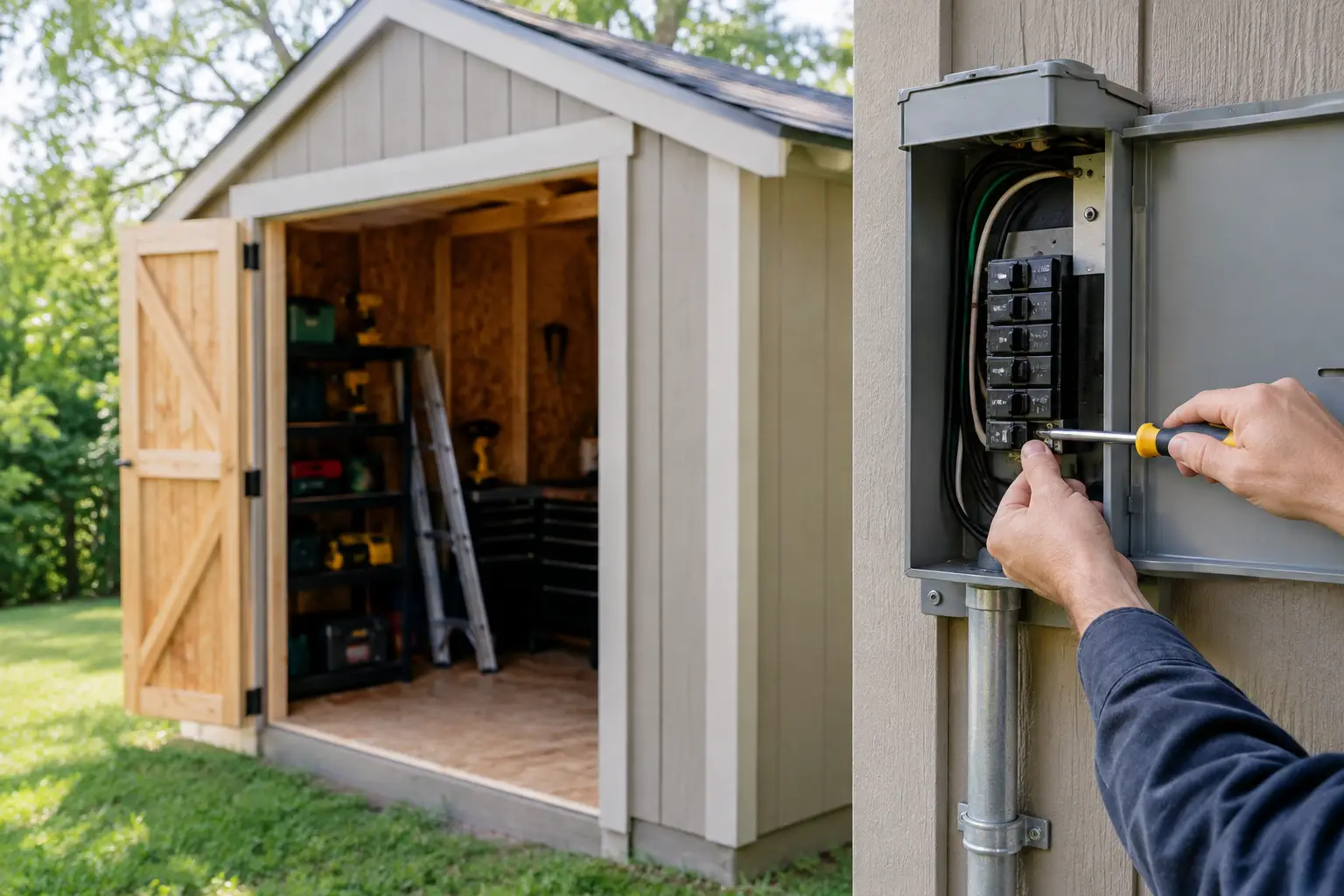
A manual transfer switch connects directly to your home’s electrical system. This is different from plugging an appliance into a standard wall outlet.
Incorrect installation can cause electric shock, electrical fires, equipment damage, or dangerous backfeeding into utility lines.
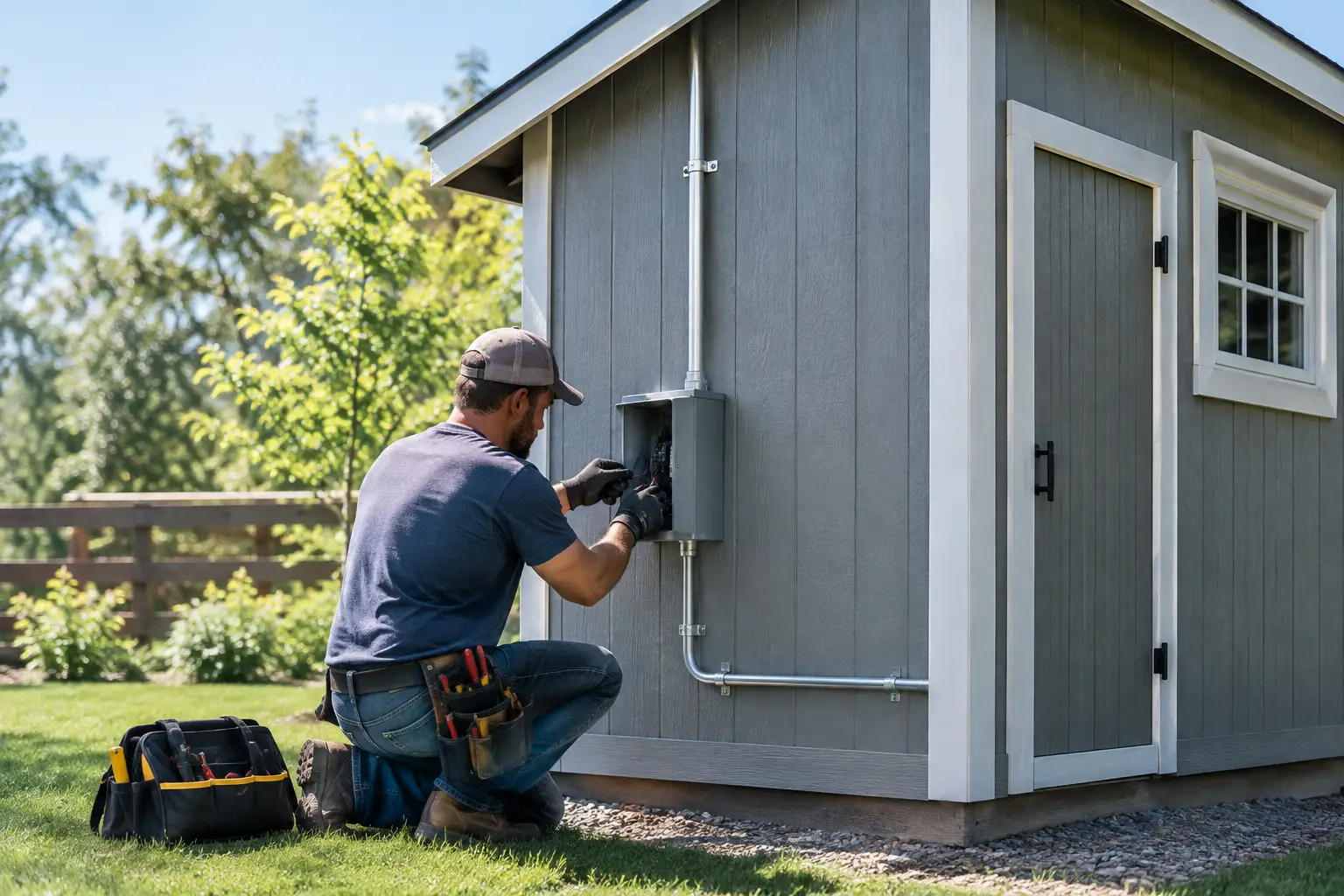
For this reason, installation should be handled by a qualified electrician familiar with generator transfer equipment and applicable local electrical codes.
The electrician should verify:
- Compatibility with your existing electrical panel.
- Correct circuit connections.
- Proper conductor sizing.
- Grounding and bonding requirements.
- Generator inlet and transfer switch ratings.
- Required permits and inspections.
The electrician should also confirm that the selected household circuits are appropriate for generator operation.
Never connect a portable generator directly to a household wall outlet or use a homemade backfeed cord.
Also remember that a portable generator must operate outdoors, away from doors, windows, and air intakes, following the manufacturer’s clearance instructions. Never operate one inside a garage or enclosed space because of carbon monoxide poisoning risks.
Is a 6-Circuit Transfer Switch Enough for a Small House?
For some small homes, yes.
If your backup power requirements are limited to a refrigerator, essential lighting, internet equipment, and a few other important circuits, a six-circuit transfer switch may provide enough coverage.
However, the size of your house doesn’t necessarily determine how much backup electricity you need.
A small home with an electric water heater, electric range, well pump, or central air conditioning system may have substantial electrical demands.
Before choosing a transfer switch, consider three things:
1. Which appliances do you need during an outage?
Prioritize the equipment that matters most to your household. You may not need to power every appliance when utility electricity is unavailable.
2. How much power does your generator provide?
Compare the generator’s continuous and starting wattage with the requirements of your selected appliances.
3. How are your household circuits configured?
A six-circuit switch may not accommodate every combination of 120V and 240V loads.
The best choice is the one that matches your generator, electrical panel, and actual backup power requirements.
Final Thoughts: Choosing a Small Transfer Switch for Backup Power
A small transfer switch for a portable generator can be a practical solution when you want to keep essential household circuits operating during unexpected power outages.
A Small 6-Circuit Transfer Switch Kit is worth considering if you don’t need whole-house backup power and prefer a dedicated connection between your portable generator and selected household circuits.
Before purchasing, compare the amperage, voltage, generator inlet, included accessories, safety listings, and compatibility with your existing electrical panel.
Most importantly, don’t choose a transfer switch based on circuit count alone. Six circuits won’t automatically provide enough power for every appliance in your home.
Make sure your generator can handle the electrical loads you plan to operate, and have the transfer switch installed and inspected by a qualified electrician.
A properly selected system can provide a more organized way to use portable generator power without investing in a whole-house standby generator.
Frequently Asked Questions
What size transfer switch do I need for a small house?
The correct size depends on your generator’s electrical output, the number of household circuits you want to back up, and whether those circuits require 120V or 240V.
A six-circuit manual transfer switch may be sufficient if you only need to operate a limited number of essential household loads.
Can I use a 6-circuit transfer switch with any portable generator?
No. The generator must have compatible voltage, outlet configuration, and electrical capacity.
Check the specifications of the generator, transfer switch, inlet box, and power cord before purchasing.
Does a manual transfer switch work automatically?
No. A manual transfer switch requires you to operate it when utility power goes out.
It does not automatically detect an outage or start your portable generator.
Is a transfer switch safer than using extension cords?
A properly installed transfer switch provides a dedicated connection between a portable generator and selected household circuits.
It also prevents dangerous backfeeding when correctly designed and installed.
Extension cords can still be useful for powering individual appliances, but they are not a substitute for properly installed transfer equipment when connecting a generator to household wiring.
Can a 6-circuit transfer switch power a refrigerator and a well pump?
Potentially, yes, provided the transfer switch supports the required circuit configuration and the generator can handle the running and starting wattage of both loads.
Some well pumps require 240V, so verify the electrical requirements before choosing a six-circuit model.
What is the difference between a manual and an automatic transfer switch?
A manual transfer switch requires someone to operate it when utility power goes out.
An automatic transfer switch detects the loss of utility power and transfers the electrical load according to its controls.
Automatic systems are commonly used with permanently installed standby generators.
Is a 6-circuit transfer switch enough for a refrigerator, lights, and internet?
It may be enough, depending on how your home’s circuits are arranged.
These appliances may share circuits or require separate circuit connections. Your electrician should determine the appropriate configuration and confirm that the generator has sufficient capacity.

Leave a Reply